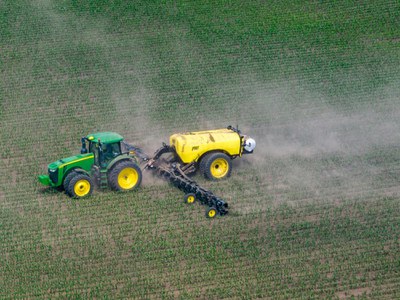
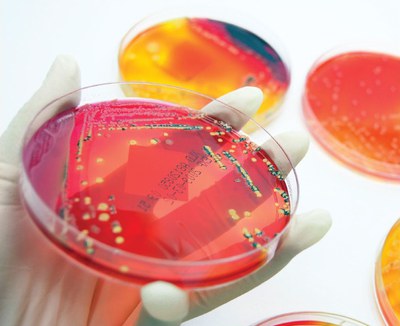
Earlier this fall, many acres of grain crops were inundated by floodwaters across Pennsylvania. This has generated concern about the potential use of flood-affected crops for food or animal feed, since floodwaters can contain sewage, heavy metals, or other contaminants and can also predispose these crops to molds and the development of toxins. Since this has been an unusual event, there is little local precedent for dealing with this issue.
We have worked with federal agricultural agencies for guidance on the marketing and disposition of these crops. Based on their research, and recent communications with the Food and Drug Administration (FDA) officials on this issue, we are now able to offer some guidance regarding the testing and marketing of these grain crops.
The Center for Food Safety and Applied Nutrition at FDA has assessed the potential use of these crops for food uses and concluded that there is no practical way to recondition these crops for use for human food. They recommend that the flood-affected crops be segregated and or otherwise disposed of to ensure they do not contaminate unaffected crops during harvesting storage and distribution. Adulterated grain may be subject to seizure under the Federal Food, Drug, and Cosmetic Act. Based on this determination by FDA, grains that have been harvested from flooded crops should not be marketed in a way that they could potentially be mixed with grains intended for human consumption.
The Center for Veterinary Medicine at FDA has also assessed the potential use of these crops as animal feed. FDA has indicated that as harvested (without drying or further processing), these crops would not be acceptable for use in animal feed. To even be considered for use in animal feed, these crops should be cleaned and dried or heat-treated. In addition, the grain would need to be tested for the following criteria, at a minimum:
- Mycotoxins to include at least aflatoxin, fumonisin, vomitoxin, zearalonone, and ochratoxin.
- Heavy metals, with emphasis on cadmium, mercury and lead.
- Presence of certain pathogenic bacteria and their toxins, especially Salmonella, E. coli 0157:H7 and Clostridium perfingens and botulinum. Heat treatment should have been sufficient to destroy these pathogenic organisms.
- Pesticide screen, with particular emphasis on organophosphate and chlorinated hydrocarbon pesticides.
- Presence of PCBs (polychlorinated biphenyls) consistent with the levels found in Title 21 Code of Federal Regulations, Part 500.45.
Maximum acceptable levels for these contaminants are summarized in the table below:
Contaminant |
Threshold level |
Mycotoxins |
|
Aflatoxin |
20-300 ppb: See link below species specific |
Fumonisin |
5-100 ppm: See link below species specific |
Vomitoxin |
5-10 ppm: See link below species specific |
Zearalonone |
No established limit *** See note below |
Ochratoxin |
No established limit *** See note below |
Heavy Metals |
|
Cadmium |
0.5 ppm |
Mercury |
2.0 ppm |
Lead |
30.0 ppm |
Bacteria |
|
Salmonella |
No tolerance |
E. coli 0157:H7 |
No tolerance |
Clostridium perfingens |
No tolerance |
Clostridium botulinum |
No tolerance |
Pesticides |
|
Organophosphates |
See link below |
Chlorinated Hydrocarbons |
See link below |
Others |
|
PCBs |
2.0 ppm |
Aflatoxin http://www.fda.gov/ora/compliance_ref/cpg/cpgvet/cpg683-100.html
Fumonisin http://www.cfsan.fda.gov/%7Edms/fumongu2.html
Vomitoxin FDA Advisory Levels for Deoxynivalenol (Vomitoxin)
- 5 ppm For grain and grain by-products destined for swine. (FDA advises that commodities containing this level of vomitoxin not exceed 20 percent of the ration.)
- 10 ppm For grain and grain byproducts destined for beef cattle and feedlot cattle older than four months, as well as for chickens. (FDA recommends that commodities containing this level of vomitoxin not exceed 50 percent of the ration for these species.
- 5 ppm For grain and grain byproducts destined for all other animal species. (FDA recommends that commodities containing this level of vomitoxin not exceed 40 percent of the ration.)
Ochratoxin A and Zearalenone – “No regulatory standards have been initiated for these toxins and results from exposure data and/or risk assessments have indicated that regulatory standards are not warranted at this time. The FDA continuously follows development of newer data regarding these mycotoxins, thereby constantly evaluation the need to set regulatory standards.” (from the Council for Agricultural Science and Technology Task Force Report No. 139 January 2003) Other countries have established maximum levels for Ochratoxin A and Zearalenone in foodstuffs, dairy products and animal feedstuffs in the parts per billion (ppb) range dependent on commodity and intended use.
Pesticides
Polychlorinated Biphenyls (PCBs) The temporary tolerances for residues of
PCB's are as follows:
- 0.2 part per million in finished animal feed for food-producing animals (except the following finished animal feeds: feed concentrates, feed supplements, and feed premixes).
- 2 parts per million in animal feed components of animal origin, including fishmeal and other by-products of marine origin and in finished animal feed concentrates, supplements, and premixes intended for food-producing animals.
- 10 parts per million in paper food-packaging material intended for or used with finished animal feed and any components intended for animal feeds. The tolerance shall not apply to paper food-packaging material separated from the food therein by a functional barrier which is impermeable to migration of PCB's.
***It is important to note that if further information becomes available concerning other environmental or industrial contaminants in a specific locale, additional testing may be necessary. ***
Grain Sampling Procedures
(These sampling guidelines are adapted from "Practical Procedures For Sampling Grain", from USDAs Grain Inspection, Packers and Stockyards Administration (GIPSA).)
Sampling is an essential part of the inspection process and is critical to the accuracy of the final grade. If the sample is not representative of the lot, the inspection result will not reflect the true quality of the lot.
Basic Principles of Obtaining a GOOD Sample:
- Collect several samples from different areas of the lot.
- Combine these samples to form a single sample.
- Consider the size of the sample needed for analysis.
- Completely mix or blend the final sample.
Tailgate Sampling
Use a container (a large coffee can will work) to sample grain from a moving stream of grain. Tailgate sampling will draw a reasonably representative sample, as grain is loaded/unloaded from a combine to a truck/wagon or from a truck/wagon to a bin.
To Obtain A GOOD Sample With A Tailgate Sampler:
- Let the grain flow from the carrier (truck, combine, bin) for a few seconds before taking your first sample. Avoid sampling the last few bushels flowing out of the container.
- Hold the sampling device so that it is at one side of the grain stream.
- Pull the tailgate sampler through the grain stream in a continuous motion.
- Empty each sample into a clean, dry container.
- Take a minimum of three samples per carrier. More samples will yield a more representative composite sample.
Probe Sampling
A hand probe is the only effective method of obtaining a representative sample from grain at rest in a truck bin or other container. There are two types of hand probes - a compartmented probe and an open-throat probe. The open-throat probe does not have compartments inside. This feature allows the sample to be poured directly from the probe into a sample container. The open-throat probe tends to draw more grain from the top portion of the lot. Results of the open-throat probe will differ from that of a sample drawn with a compartmented probe. Hand probes come in 5’, 6,’ 8’, 10’, and 12’ lengths. The sample is more representative of the lot if the probe reaches the bottom of the carrier.
To Obtain A GOOD Sample With A Hand Probe:
- Determine the locations in the container to be probed. Avoid sampling in the spout stream.
- With the slots on the probe closed, insert the probe at a slight angle (10 degrees).
- With the slots facing upward, open the probe and move it up and down in two short motions to fill the compartments.
- Close the probe, withdraw it from the grain and empty the grain onto a canvass or trough that is slightly longer than the probe you are using. If you are using an open-throat probe, pour the grain from the open end of the probe directly into a clean, dry container.
While drawing the sample, observe the general condition of the grain and check for objectionable odors, insect infestation, large stones, pieces of metal or glass and any other potentially harmful conditions.
****By drawing a representative sample and getting an accurate inspection, you will know the true quality of the grain at the time of sampling. The condition of stored grain can change depending on the conditions of the storage area and the quality factors of the stored grain.****
Testing Procedures
Analytical testing for contaminants is available from private laboratories listed on the PSU website or the Pennsylvania Department of Agriculture upon request. Samples submitted for testing should meet the following criteria:
- Grain samples should be obtained by collecting a representative 6 - 10 pound sample of the grain from a bin or truck using established procedures (see guidelines below). Ideally, samples should represent grain lots of 10,000 bushels or less that has been dried and cleaned.
- Samples should be submitted to the laboratory in a paper bag along with the name, address, and telephone number of the grain producer. The lot of grain that was sampled should also be identified.
- Test results should be available to the producer in approximately 7-10 days from receipt of sample, dependent on the findings. Positive results in any category may require additional testing and increase the turnaround time for analytical results.
- Based on the test results, producers can then voluntarily advise the Department of their intentions regarding the marketing of the grain.
Samples submitted to the Pennsylvania Department of Agriculture’s Bureau of Food Safety and Laboratory Services should be directed to Michael Hydock, Chief, Division of Laboratory Services, 2301 North Cameron Street, Harrisburg, PA 17110. His phone number is 717.787.4315.ext 207. Mr. Hydock should be contacted for any questions regarding submission of samples and analytical results. Samples submitted to private laboratories should follow the same sampling and submission criteria.
Reporting Procedures.
If the above testing and sampling procedures are followed and the grain meets the criteria established, FDA will not require the submission of a diversion request as outlined in their regulations for use of these crops as animal feed. Producers should voluntarily notify the Pennsylvania Department of Agriculture of their intentions to process, test, and sell or use these crops. A PDA Voluntarily Notification Form is available on the PSU Website at http://www.cas.psu.edu/docs/biosecurity/EMERGENCY/flood.html or at the Pennsylvania Department of Agriculture at
http:// www.agriculture.state.pa.us
Preliminary results from a PSU Extension survey of flood-affected corn indicate generally low levels of several mycotoxins are present in samples analyzed by PDA. The samples were obtained by extension personnel in the flood impacted fields and were not cleaned, dried or further processed except to be shelled. The samples were negative for heavy metals, human pathogens and pesticides. These samples were not tested for PCBs.
Producers should seek consultation with their local County Cooperative Extension Agent on any analytical results that they receive for flood-affected crops for the proper use or disposition of the crops. This is critical to minimize any liability or production losses that may occur from use of these flood-affected crops. Producers are ultimately responsible for the distribution, and use of their crops that have been impacted by floodwaters.
Grain crops raised for feeding on-farm are not directly subject to federal and state regulations because the grains are not in commercial distribution. However, food (eggs, meat and milk) produced from feeding these grains may be regulated. It is recommended that all producers test these grains to ensure that the flood-affected grains are below the tolerances for the contaminants identified above. Again, it is important that producers consult with their local County Cooperative Extension Agents to assess the handling and use of flood-affected grains.
For more information, and to view copies of the FDA memos on these topics visit the Penn State Flood Resources Website at http://www.cas.psu.edu/docs/biosecurity/EMERGENCY/flood.html or contact
John Breitsman, Chief, Division of Agronomic and Regional Services at the Pennsylvania Department of Agriculture at 717-772-5215.
Greg Roth
Department of Crop and Soil Sciences
Penn State University
John Breitsman,
Chief, Division of Agronomic and Regional Services
Pennsylvania Department of Agriculture |